 My typical male client wants to know what he should have in his closet for a put-together, polished, professional appearance. The answer may not be the same for every guy. What pieces are right for you depend on several factors: your desired brand perception at work and in social situations, your current role, your ultimate career destination, geographic location, and what style you like.
When I work with men and women, I start with an image assessment, brand values, and style elements to find out some pertinent information about who you are essentially, what you like, which colors are your best, and what items you will need for the head-to-toe appearance you want.
Then we take a good, hard look in the closet—checking what’s in the closet that has a current look and what we can edit out. Be brutally honest here, especially if you’re doing this yourself. What can you get rid of or donate that is worn, old, tired, doesn’t fit, was never right to begin with, or you just don’t like? Get some trash bags, fill them up and then drop them off at a charity thrift shop or donation box.
 How do you know which pieces to keep, discard, or buy? First, everything has to fit your body as it is right now. Clothes should skim the body, not cling or sag. Guys, your shirts shouldn’t blouse out above the waist. If they do, they are too wide for you and can be either discarded or altered. Sleeve hems should hit 1/2 inch past your wrist—not your knuckles—when you’re standing with your arms at your sides. Pant hems should hit one inch from the floor, or at the top of the heel of your shoe. Most men wear clothes that are too big and baggy. You may need to bring some things to the tailor.
Another huge consideration is your personal style preference. What styles do you like, and how do you want to be perceived? Here’s an exercise I have all of my clients do, (yes, men do this too), so we can understand each person’s unique style: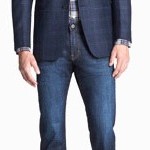
Cut out photos from magazines and catalogs of clothes you like and could see yourself wearing. Find pictures of all kinds of clothes; suits, shoes, accessories, jackets, coats, eyeglasses, even hairstyles. They can be pictures of individual items or outfits. After you’ve accumulated 10 or 15 pictures, we’ll figure out what they have in common. How would you categorize the styles you’ve chosen? Is it classic, trendy, athletic, traditional, relaxed, or creative? Put these pictures on a bulletin board and we’ll use these looks to inspire you to put together your intentional image. Suggestions for magazines: Details, GQ, Esquire, Wall Street Journal, NY Times, Vanity Fair, The Rake.
 Once we have the client’s personal style nailed, I create a shopping list from my Men’s Capsule Wardrobe™ document. With this document in hand, I’m able to pre-shop for the client, before they even come into the store. I pull all of the pieces on my checklist that we’ve agreed on, in the right size, color, and style. Then my client comes in and tries things on while I make recommendations—yea or nay.
Everything has been planned intentionally with direction and purpose, for a put-together, polished, professional image.
Depending on your role or title at work, the office environment, geographic location, and your career aspirations, you most likely need some or all of these items.
Men’s Capsule Wardrobe™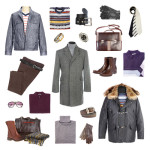
- One or two dark, medium-weight, worsted wool tailored suits
- Two tailored sport coats
- Six dress shirts in a variety of colors
- Six sport shirts
- Four casual shirts
- Three ties

- Three sweaters, pullover and/or cardigan
- Four pairs of business pants
- Jeans, and other casual pants
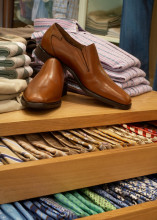
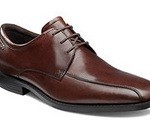
- Two pairs of dress shoes: lace-ups and slip-ons
- Casual shoes
- Boots
- Two dress belts, two casual belts
- Dark socks to match the dress pants
- Lightweight outer jacket
- Top coat or trench coat
- Leather case or binder
- Current-style glasses (if needed)
 An updated appearance helps you communicate a confident leadership image, head-to-toe, inside and out. Take an assertive approach to shape your brand intentionally, to project poise and authority authentically, and to communicate as a competent leader.
Upgrade to a polished, put-together, professional image, for increased influence and bold presence.
As a certified personal image consultant, I help savvy business professionals upgrade their personal brands visually, head-to-toe, and authentically from the inside-out, for increased influence and polished presence. Call for a Free 30-minute phone consultation at 720-933-9247.
 Best wishes for much success,
Marian Rothschild
 Does your new year’s resolution have something to do with getting serious about your business, full-out? If so, this post is for you.
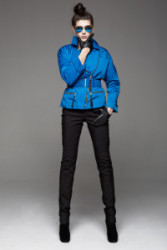
  Here’s are a few ways for women to get that put-together, polished executive look:
 • A jacket conveys a message of authority, so start with this solid wardrobe staple and build your outfits from there. Buy as good of quality as you can afford. St. John’s is my favorite go-to jacket for high-level executives for an exquisite look of solid trust, great quality, and polished presence. Other jacket brands to consider that don’t carry quite the price tag of St. John’s: Eileen Fisher, Lafayette, Boss, Elie Tahari, Theory, to name a few.
 • Slacks can be either classic trousers or the newer style of cigarette or tapered-leg slacks. Pants or skirt should be a dark color, but avoid black; it’s so overdone. Try instead: chocolate brown, wine, forest green, navy, charcoal gray, or French blue. Again, St. John’s is a superb quality pant, others that hang beautifully and will hold their shape are: Lafayette, Theory, Tahari, and the most inexpensive but good-looking is by Halogen, available at Nordstrom.
 • Colors also send messages. Light colors like tan, beige, or camel are very inviting, approachable colors. Black is the darkest and the heaviest color, and gives the message of formality, sophistication, authority, yet unapproachable.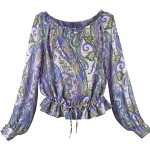
 When you communicate your personal brand with intention, direction, and consistency, every conversation you have, every outfit you wear, and every meeting you attend is an opportunity to authentically communicate, engage, lead, teach, and influence everyone with whom you come in contact.